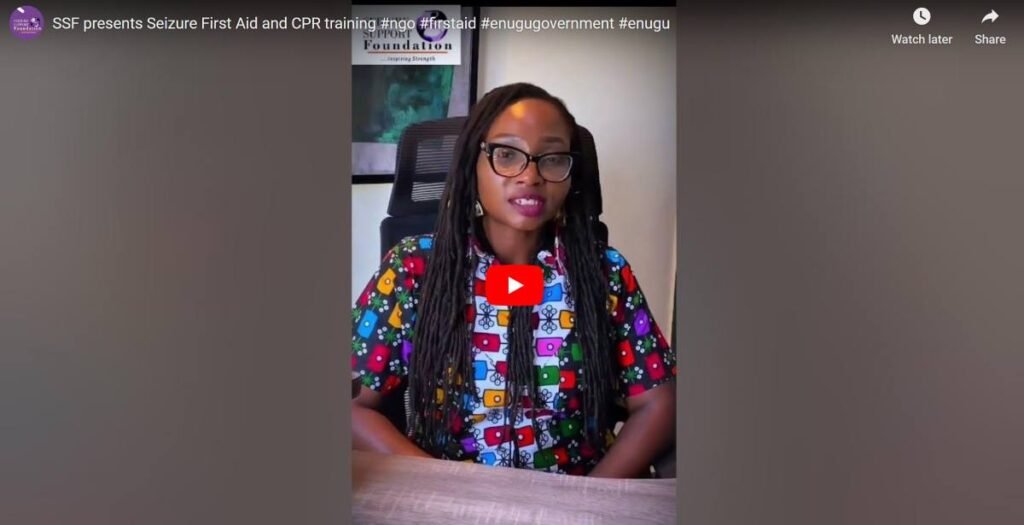
SSF Presents First Aid & CPR Training
Embracing the Journey: Raising a Child with Autism

A short story by Mshelia Joan msheliajoan1995@gmail.com Many people dream of marrying, having children, and creating a happy home. It’s a vision filled with laughter, love, and endless possibilities. But what if life takes an unexpected turn? What if your child isn’t like other children? Would you still love and accept them if they had a disability? Anita and Johnson were overjoyed when their son, Michael, came into their lives. They eagerly watched as he reached each milestone, but as time went on, they noticed something wasn’t quite right. At three years old, Michael struggled with speech and socialization. While other children his age were babbling away and making friends, Michael remained silent and solitary. Anita and Johnson’s excitement turned to confusion and frustration as they tried to understand their son’s behavior. Michael couldn’t make meaningful sounds or voice anyone’s name. He preferred playing alone, lining up his toys in precise rows, and resisted any changes to his routine. He didn’t respond when called and avoided eye contact when spoken to. Johnson, feeling the weight of societal expectations, began to blame Anita for Michael’s difficulties. He lashed out, expressing his disappointment and shame. Anita, heartbroken and desperate for support, reached out to Ms. Bello, a trusted family friend. Ms. Bello arrived to find Anita in tears, her heart heavy with worry. Together, they discussed Johnson’s hurtful words and brainstormed ways to help Michael. Ms. Bello observed Michael’s behavior firsthand, noting his aversion to interaction and his intense reactions to change. Sensing that something more serious might be at play, they decided to seek professional help. After a series of tests and evaluations, the truth finally emerged: Michael was autistic. Anita’s heart sank at the diagnosis, but Ms. Bello reassured her that autism wasn’t a death sentence. With the right support and intervention, Michael could learn to thrive. Armed with knowledge and determination, Anita and Johnson embarked on a new chapter in their journey. They enrolled Michael in speech and behavioral therapy, where he began to make slow but steady progress. With each session, he gained confidence in expressing himself and interacting with others. As Michael flourished, Anita and Johnson’s bond grew stronger. They realized that their love for their son transcended any challenges they faced. Johnson, once consumed by shame and regret, became an advocate for autism awareness. He educated his family, friends, and community about the importance of early intervention and support for children like Michael. Together, Anita and Johnson created a network of support for families navigating similar journeys. They shared resources, offered a listening ear, and celebrated each milestone, no matter how small. Through their love, perseverance, and unwavering belief in their son, they proved that with acceptance and understanding, anything is possible. Anita and Johnson were overjoyed when their son, Michael, came into their lives. They eagerly watched as he reached each milestone, but as time went on, they noticed something wasn’t quite right. At three years old, Michael struggled with speech and socialization. While other children his age were babbling away and making friends, Michael remained silent and solitary. Anita and Johnson’s excitement turned to confusion and frustration as they tried to understand their son’s behavior. Michael couldn’t make meaningful sounds or voice anyone’s name. He preferred playing alone, lining up his toys in precise rows, and resisted any changes to his routine. He didn’t respond when called and avoided eye contact when spoken to. Johnson, feeling the weight of societal expectations, began to blame Anita for Michael’s difficulties. He lashed out, expressing his disappointment and shame. Anita, heartbroken and desperate for support, reached out to Ms. Bello, a trusted family friend. Ms. Bello arrived to find Anita in tears, her heart heavy with worry. Together, they discussed Johnson’s hurtful words and brainstormed ways to help Michael. Ms. Bello observed Michael’s behavior firsthand, noting his aversion to interaction and his intense reactions to change. Sensing that something more serious might be at play, they decided to seek professional help. After a series of tests and evaluations, the truth finally emerged: Michael was autistic. Anita’s heart sank at the diagnosis, but Ms. Bello reassured her that autism wasn’t a death sentence. With the right support and intervention, Michael could learn to thrive. Armed with knowledge and determination, Anita and Johnson embarked on a new chapter in their journey. They enrolled Michael in speech and behavioral therapy, where he began to make slow but steady progress. With each session, he gained confidence in expressing himself and interacting with others. As Michael flourished, Anita and Johnson’s bond grew stronger. They realized that their love for their son transcended any challenges they faced. Johnson, once consumed by shame and regret, became an advocate for autism awareness. He educated his family, friends, and community about the importance of early intervention and support for children like Michael. Together, Anita and Johnson created a network of support for families navigating similar journeys. They shared resources, offered a listening ear, and celebrated each milestone, no matter how small. Through their love, perseverance, and unwavering belief in their son, they proved that with acceptance and understanding, anything is possible.
“What About Us” : The Documentary
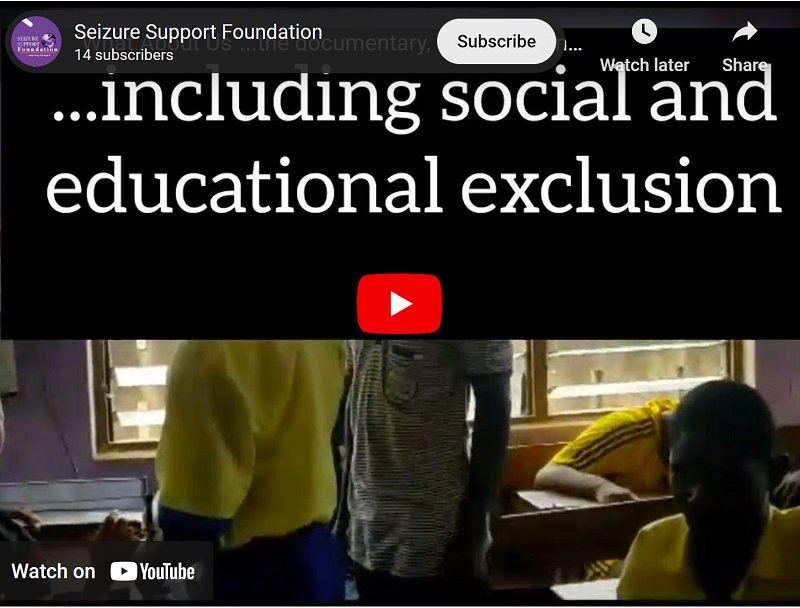
“What About Us” is a documentary that delves into the lives and experiences of individuals with disabilities. The documentary also showcases sacrifices by activists, parents and caregivers amidst tight budgets and harsh economic realities Through personal stories and interviews, the film highlights their challenges, achievements, and aspirations, aiming to raise awareness, foster empathy, and promote inclusivity in society. Premiers March 2024
Seizure Disorders and Learning Disability Scholarship 2023
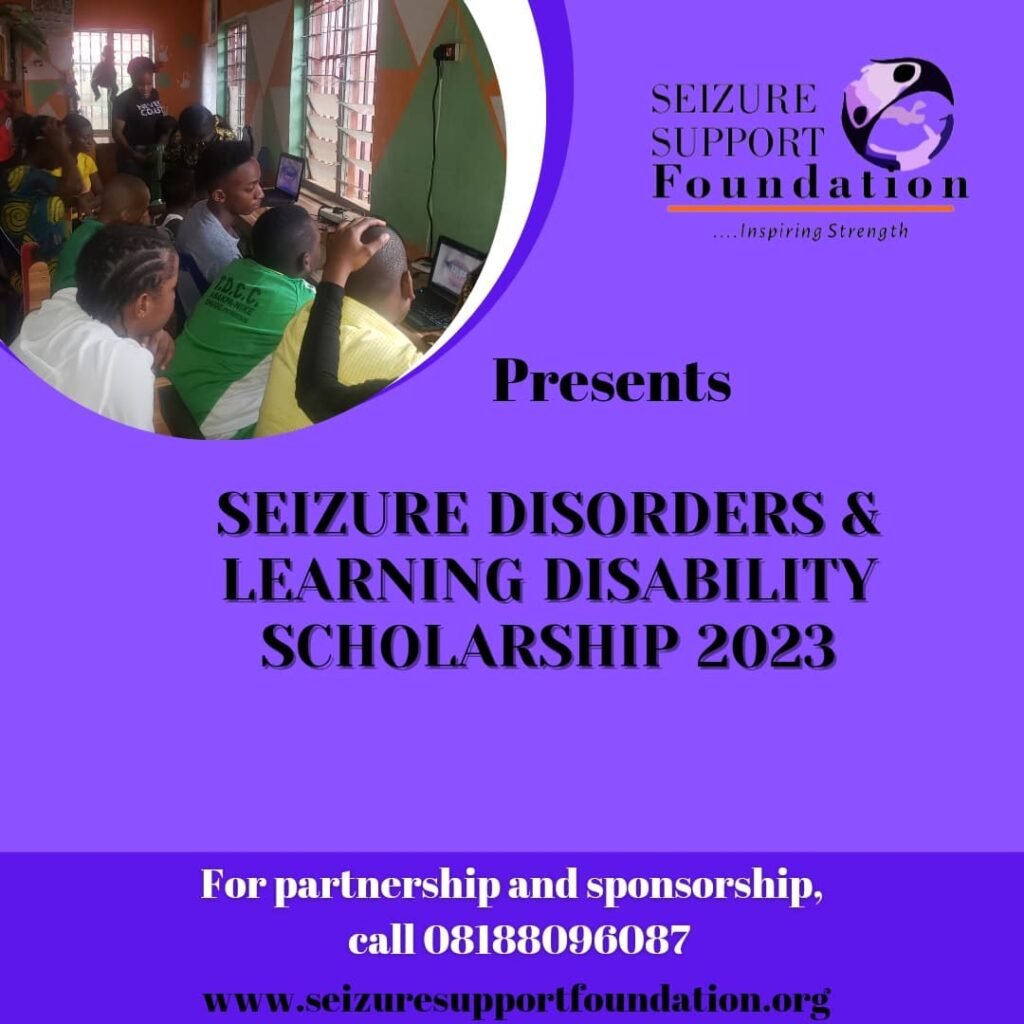
The SDLD scholarship program supports 10 students with neurodevelopmental disorders and learning disabilities. It covers tuition and book fees for the first term of the 2023/24 academic sessions, helping these students access quality education and resources to overcome their challenges and excel academically and socially.
Give4Speech Campaign
The Give4Speech campaign, taking place from July to December 2023, aims to assist 20 children with autism and speech impediments. Its purpose is to provide specialized speech therapy and support, fostering improved communication skills and self-confidence. The expected outcomes include enhanced speech clarity, increased fluency, and greater overall confidence in the participating children.
What About Us

“What About Us” is a documentary film produced by Seizure Support Foundation. The documentary is an awareness tool that highlights social and educational exclusion of children will neurological disorders. It also serves as an advocacy tool for inclusive educational practices. “What About Us” features exclusive interviews and personal stories of individuals and families directly affected by social and educational exclusion, highlighting the emotional, social and academic challenges they face. By humanizing these experiences, the aim of the documentary is to delve into the systemic issues that contribute to social and educational exclusion, stimulate discussions around the need for a more inclusive society and foster empathy among viewers, encouraging them to advocate for change. Click here to watch the trailer.
A Mother’s Determination: My Personal Journey into the World of Seizures
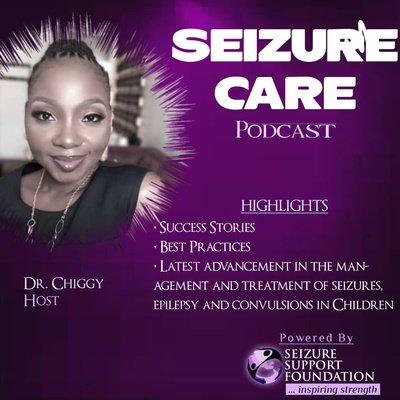
This is the first episode of the Seizurecare Podcast with Dr. Chiggy. As a mother of a child diagnosed with infantile spasms, I understand the limitations experienced by the child, as well as the challenges facing parents of children with neurological impairments. Regardless of prevailing limitations and challenges, a mother must have a strong resolve and determination to believe that a normal, balanced and productive life is possible for her child. Bearing in mind that the child will continue in that state of disability unless someone insists on interventions that can help ameliorate the outcome of the disorder.
Seizure Disorders and Learning Disability Project 2022

Seizure Support Foundation conducted the pilot of the Seizure Disorders and Learning Disability project in the second quarter of the 2021/2022 academic session. The project provided financial scholarships that covered special online teaching programs and resources in video modeling. Awardees were children with Autism, Seizure Disorders, and Cerebral Palsy. The aim of the pilot special education scholarship was to access improvements in the children’s general IQ, reading, listening, phonemic awareness, writing and communication skills after three months of intervention using the discrete video modeling technique in teaching them. The full report on the project can be found here.
Bridging Treatment Gaps

On the 22nd of December, 2022, the case of four – year old Daniel Stephen who was diagnosed with epilepsy was brought to our attention. Seizure Support Foundation was on ground to provide support to the child and his family by providing medical aids in the form of drugs and medications. In collaboration with the child’s healthcare provider and a local pharmaceutical company, anti–epileptic drugs were prescribed and procured for the child. In line with the foundation’s mission to bridge healthcare gaps and reduce healthcare inequalities, Seizure Support Foundation maintained open communication with the family, the healthcare provider and the pharmaceutical company to monitor the child’s progress, thereby ensuring compliance to prescribed treatment plans, towards effectively managing the child’s seizures and ensuring that his overall quality of life is improved.
Securing Partnerships with Therapeutic Daycare Center
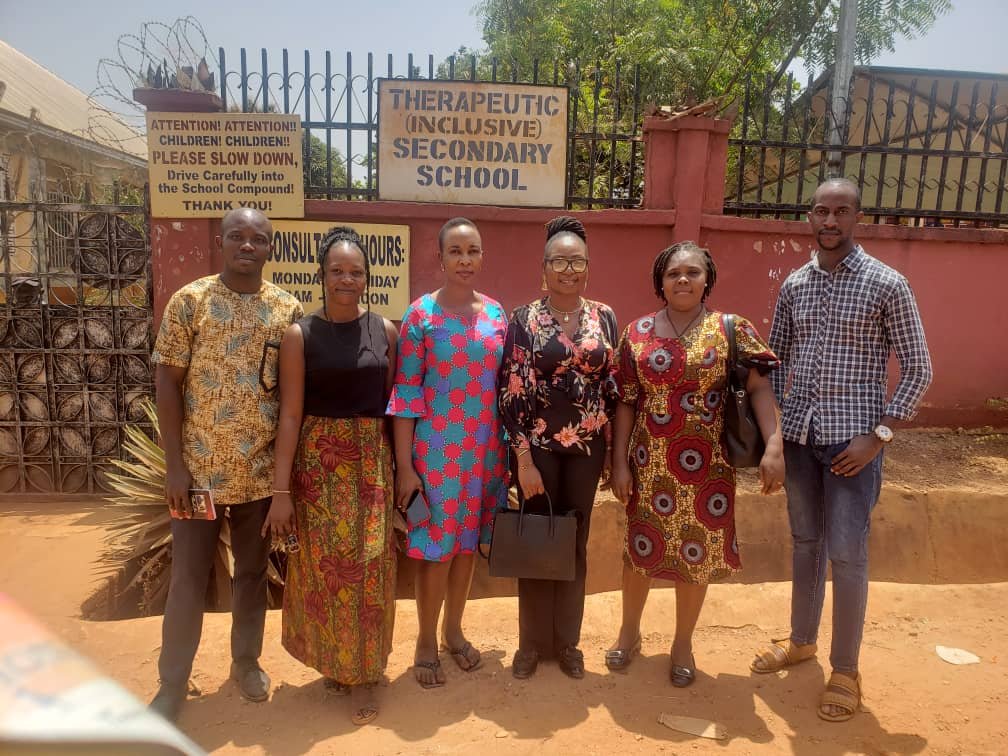
In February, 2022, Seizure Support foundation partnered with the Therapeutic Daycare Center in Abakpa Nike, Enugu to carry out the maiden edition of the Seizure Disorder and Learning Disability Project. The SDLD is a special education scholarship project, offering non – financial scholarships to seven children with special needs. Awardees were offered five weeks of learning using an online, evidence based pedagogy called Discrete Video Modeling. The pre – and post – test quasi experiment assessed improvements in students’ general IQ, phonemic awareness, listening, writing and simple arithmetic skills