The Importance of a Culturally Relevant Video Modeling Library for Children with Special Needs and Learning Disabilities
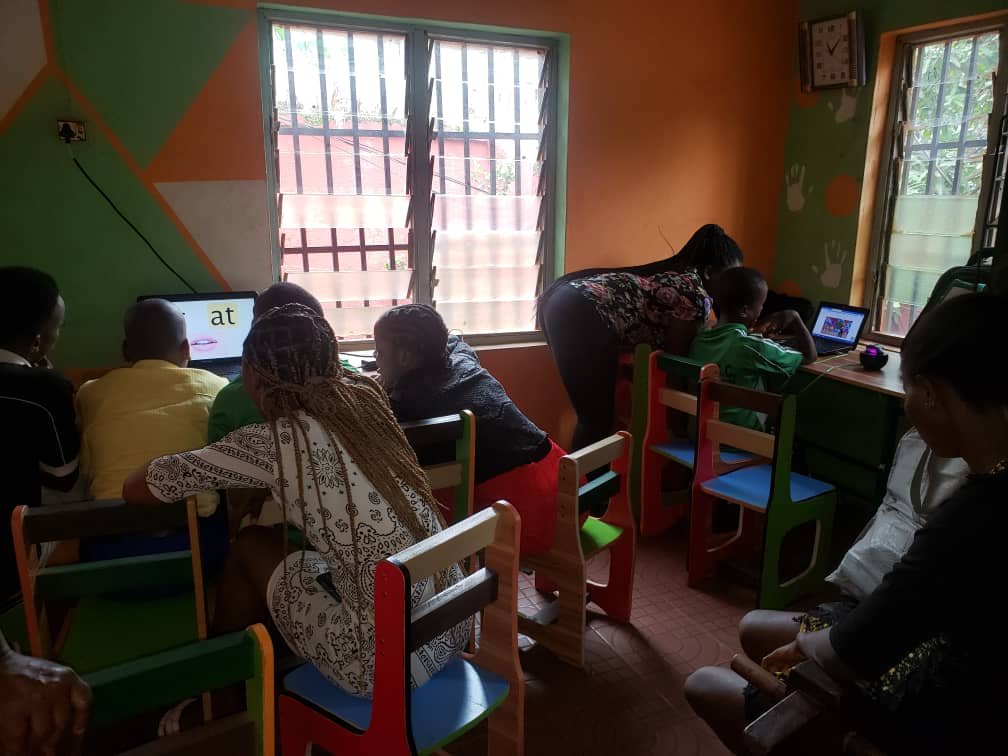
In today’s diverse educational landscape, ensuring that all children receive an inclusive and effective education is paramount. Among the many educational tools available, video modeling has emerged as a powerful method to teach children with special needs and learning disabilities essential life skills and academic content. However, the effectiveness of these tools can be significantly enhanced when they are culturally relevant. This is where a culturally relevant video modeling library can make a substantial difference. Understanding Video Modeling Video modeling is a teaching technique where children learn by watching videos of peers or adults demonstrating a task or behavior. This method leverages visual and auditory learning pathways, which are particularly beneficial for children with special needs, including those with autism, ADHD, and other learning disabilities. By breaking down tasks into manageable steps, video modeling helps children grasp complex concepts and skills that they might struggle to learn through traditional teaching methods. The Role of Cultural Relevance Cultural relevance in educational content means that the material reflects the experiences, languages, and values of the children it aims to teach. For children with special needs, culturally relevant video modeling can bridge the gap between learning and comprehension in several ways: Impact on Learning Outcomes The effectiveness of culturally relevant video modeling has been demonstrated in various studies. For example, a quasi-experimental study in Nigeria showed significant improvements in the IQ and skill acquisition of children with learning disabilities after five weeks of intervention using video modeling Seizure Disorders and Learning Disability Project 2022 However, the foreign accents and cursive writing in existing video models posed challenges. By developing a culturally relevant video modeling library, we can overcome these limitations and enhance learning outcomes. Supporting Inclusive Education A culturally relevant video modeling library not only benefits children with special needs but also promotes inclusive education. By providing accessible and relatable learning resources, it ensures that all children, regardless of their abilities, have the opportunity to learn and thrive. This approach aligns with global educational goals, such as the United Nations’ Sustainable Development Goal 4, which aims to ensure inclusive and equitable quality education for all. Conclusion The creation of a culturally relevant video modeling library is a vital step towards enhancing the educational experience for children with special needs and learning disabilities. By addressing cultural barriers and making learning more accessible and relatable, we can significantly improve educational outcomes and foster greater inclusivity. As educators, caregivers, and community members, it is our responsibility to support and implement these innovative solutions to ensure that every child has the opportunity to reach their full potential.
Embracing the Journey: Raising a Child with Autism

A short story by Mshelia Joan msheliajoan1995@gmail.com Many people dream of marrying, having children, and creating a happy home. It’s a vision filled with laughter, love, and endless possibilities. But what if life takes an unexpected turn? What if your child isn’t like other children? Would you still love and accept them if they had a disability? Anita and Johnson were overjoyed when their son, Michael, came into their lives. They eagerly watched as he reached each milestone, but as time went on, they noticed something wasn’t quite right. At three years old, Michael struggled with speech and socialization. While other children his age were babbling away and making friends, Michael remained silent and solitary. Anita and Johnson’s excitement turned to confusion and frustration as they tried to understand their son’s behavior. Michael couldn’t make meaningful sounds or voice anyone’s name. He preferred playing alone, lining up his toys in precise rows, and resisted any changes to his routine. He didn’t respond when called and avoided eye contact when spoken to. Johnson, feeling the weight of societal expectations, began to blame Anita for Michael’s difficulties. He lashed out, expressing his disappointment and shame. Anita, heartbroken and desperate for support, reached out to Ms. Bello, a trusted family friend. Ms. Bello arrived to find Anita in tears, her heart heavy with worry. Together, they discussed Johnson’s hurtful words and brainstormed ways to help Michael. Ms. Bello observed Michael’s behavior firsthand, noting his aversion to interaction and his intense reactions to change. Sensing that something more serious might be at play, they decided to seek professional help. After a series of tests and evaluations, the truth finally emerged: Michael was autistic. Anita’s heart sank at the diagnosis, but Ms. Bello reassured her that autism wasn’t a death sentence. With the right support and intervention, Michael could learn to thrive. Armed with knowledge and determination, Anita and Johnson embarked on a new chapter in their journey. They enrolled Michael in speech and behavioral therapy, where he began to make slow but steady progress. With each session, he gained confidence in expressing himself and interacting with others. As Michael flourished, Anita and Johnson’s bond grew stronger. They realized that their love for their son transcended any challenges they faced. Johnson, once consumed by shame and regret, became an advocate for autism awareness. He educated his family, friends, and community about the importance of early intervention and support for children like Michael. Together, Anita and Johnson created a network of support for families navigating similar journeys. They shared resources, offered a listening ear, and celebrated each milestone, no matter how small. Through their love, perseverance, and unwavering belief in their son, they proved that with acceptance and understanding, anything is possible. Anita and Johnson were overjoyed when their son, Michael, came into their lives. They eagerly watched as he reached each milestone, but as time went on, they noticed something wasn’t quite right. At three years old, Michael struggled with speech and socialization. While other children his age were babbling away and making friends, Michael remained silent and solitary. Anita and Johnson’s excitement turned to confusion and frustration as they tried to understand their son’s behavior. Michael couldn’t make meaningful sounds or voice anyone’s name. He preferred playing alone, lining up his toys in precise rows, and resisted any changes to his routine. He didn’t respond when called and avoided eye contact when spoken to. Johnson, feeling the weight of societal expectations, began to blame Anita for Michael’s difficulties. He lashed out, expressing his disappointment and shame. Anita, heartbroken and desperate for support, reached out to Ms. Bello, a trusted family friend. Ms. Bello arrived to find Anita in tears, her heart heavy with worry. Together, they discussed Johnson’s hurtful words and brainstormed ways to help Michael. Ms. Bello observed Michael’s behavior firsthand, noting his aversion to interaction and his intense reactions to change. Sensing that something more serious might be at play, they decided to seek professional help. After a series of tests and evaluations, the truth finally emerged: Michael was autistic. Anita’s heart sank at the diagnosis, but Ms. Bello reassured her that autism wasn’t a death sentence. With the right support and intervention, Michael could learn to thrive. Armed with knowledge and determination, Anita and Johnson embarked on a new chapter in their journey. They enrolled Michael in speech and behavioral therapy, where he began to make slow but steady progress. With each session, he gained confidence in expressing himself and interacting with others. As Michael flourished, Anita and Johnson’s bond grew stronger. They realized that their love for their son transcended any challenges they faced. Johnson, once consumed by shame and regret, became an advocate for autism awareness. He educated his family, friends, and community about the importance of early intervention and support for children like Michael. Together, Anita and Johnson created a network of support for families navigating similar journeys. They shared resources, offered a listening ear, and celebrated each milestone, no matter how small. Through their love, perseverance, and unwavering belief in their son, they proved that with acceptance and understanding, anything is possible.
Tackling Educational Exclusion of Children with Special Needs in Nigeria: A Multi-Faceted Approach
In Nigeria, the exclusion of children with special needs from the educational landscape is a pressing issue that demands urgent attention. With over 4.7 million children in Nigeria having some form of disability, it’s evident that a significant proportion of the population is affected by this issue. However, despite their numbers, these children are grossly underrepresented in the nation’s educational institutions. This article aims to delve into the root causes of this exclusion and propose a comprehensive solution to address it. Problem Analysis:Societal stigmatization, lack of inclusive schools, poverty and socioeconomic barriers, poor teacher training, and inadequate policy implementation are identified as the key factors contributing to the educational exclusion of children with special needs in Nigeria. Societal stigmatization and negative attitudes towards children with special needs stem from ignorance and lack of awareness. This leads to a culture of exclusion and stigma, perpetuating the marginalization of these children. The absence of inclusive schools exacerbates the problem, as many children with special needs do not have access to appropriate educational facilities. Poor awareness and advocacy contribute to the lack of inclusive schools, as does the scarcity of resources and funding. Poverty and socioeconomic barriers further restrict access to education for children with special needs, as many families cannot afford the associated costs of schooling. Inadequate teacher training and weak policy implementation also hinder efforts to promote inclusive education in Nigeria. The lack of specialized educators and a comprehensive training curriculum results in a dearth of support for children with special needs in the classroom. Solution Analysis:A five-pronged approach is proposed to tackle the educational exclusion of children with special needs in Nigeria. Result Chain Framework:A thorough SWOT analysis is necessary to determine strategic intervention options based on capacity and available resources. By identifying strengths, weaknesses, opportunities, and threats, effective solutions can be tailored to address the specific needs of children with special needs in Nigeria. Theory of Change:Two theories of change are proposed to address the educational exclusion of children with special needs. The first theory focuses on providing access to evidence-based interventions and scholarships, leading to increased enrollment and improved educational outcomes. The second theory emphasizes the importance of systematic educator training, which can result in better instructional quality and enhanced learning outcomes for children with special needs.Tackling the educational exclusion of children with special needs in Nigeria requires a multi-faceted approach that addresses the root causes of exclusion while promoting awareness, advocacy, and policy reform. By implementing the proposed strategies and theories of change, Nigeria can move towards a more inclusive educational landscape where every child, regardless of ability, has access to quality education.
PROTECTING CHILDREN WITH DISABILITIES FROM SEXUAL ABUSE
Sexual abuse of children and young people with disabilities is a distressing reality that demands urgent attention. While the exact prevalence remains unclear, research indicates that individuals with disabilities are at significantly higher risk of experiencing sexual abuse compared to those without disabilities. This alarming disparity underscores the critical need for concerted efforts to protect and empower children with disabilities. Children and young people with disabilities face unique challenges when it comes to understanding and navigating issues related to their bodies and sexuality. They require specialized support and education to ensure their safety and well-being. It is essential for them to be taught about their body parts, bodily changes, and accurate information about sex and sexual abuse.Moreover, they need to learn ways to express themselves if they feel uncomfortable or frightened and to communicate “no” in abusive situations. Creating a supportive environment where they feel empowered to disclose abuse is crucial for their protection and recovery. The International Epilepsy Day serves as a poignant reminder of the importance of advocating for the human rights of people with epilepsy. It calls upon individuals and organizations to take proactive steps to ensure that people with epilepsy [and other disabilities] can live fulfilling lives free from discrimination and abuse. In response to this call to action, Seizure Support Foundation (SSF) is fully committed to participating in efforts to protect children with disabilities, including those with epilepsy, from sexual abuse. Through education, advocacy, and the provision of resources, SSF aims to empower parents, caregivers, and communities to recognize the signs of abuse and take proactive measures to prevent it. Central to SSF’s efforts is the #ProtectTheirInnocence campaign, which seeks to raise awareness about the vulnerability of children with disabilities to sexual abuse and mobilize support for their protection. By joining forces with like-minded individuals and organizations, SSF endeavors to create a safer and more inclusive world for all children, regardless of their abilities. Together, let us stand united in our commitment to safeguarding the innocence and dignity of children with disabilities. By amplifying their voices, advocating for their rights, and providing them with the support they need, we can make a meaningful difference in their lives and ensure that they can thrive in a safe and nurturing environment
NAVIGATING AUTISM: Early Intervention, Resources and SSF’s Commitment to Support
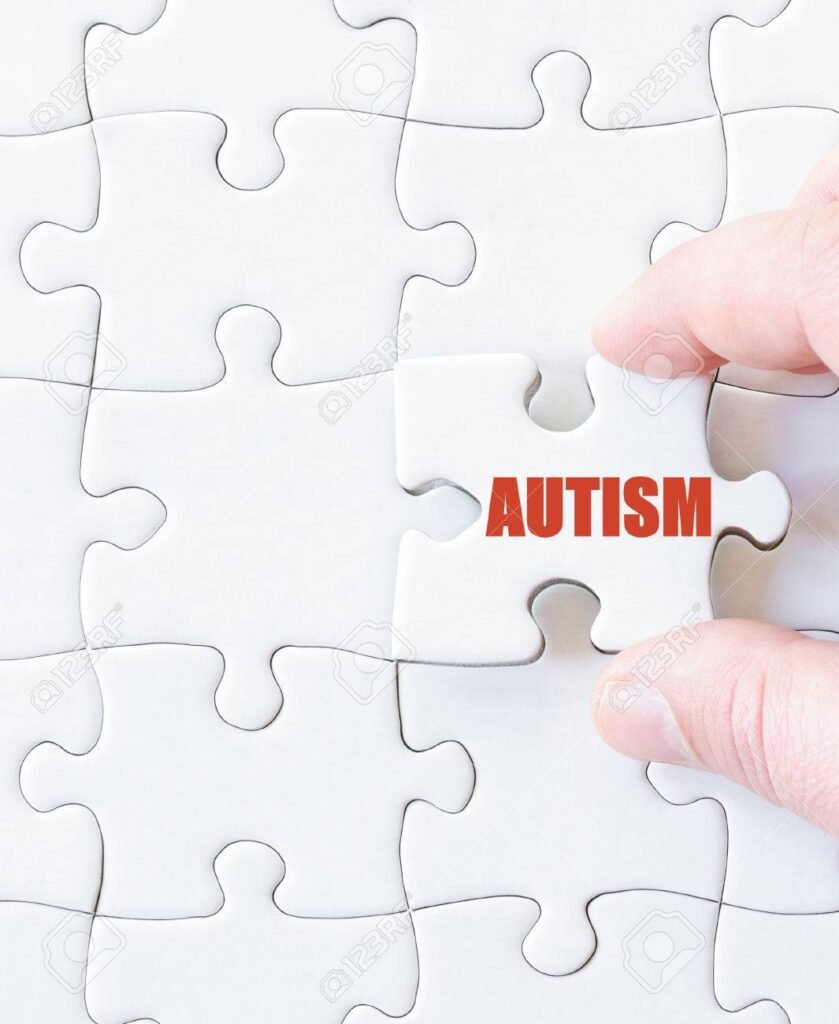
Autism Spectrum Disorder (ASD) is a condition that makes it hard for people to communicate, understand social cues, and behave in predictable ways. It’s called a “spectrum” disorder because it affects people in different ways and to different degrees. You might have heard of autism, but understanding what it really means can help us support and include people with autism better. What is Autism Like? Imagine trying to talk to someone, but the words just won’t come out right. That’s what it’s like for many people with autism. They may have trouble with speaking or understanding language, making it hard for them to communicate with others. Some people with autism also struggle with social interactions. They might find it difficult to make friends, understand jokes, or know when it’s their turn to talk in a conversation. Autism can also make people do things in repetitive ways. They might repeat the same action over and over again, like tapping their fingers or rocking back and forth. This helps them feel calm and in control, but it can be hard for others to understand why they do it. Another thing about autism is that it can make people more sensitive to things around them. They might find certain sounds, smells, or textures overwhelming, making it hard for them to focus or feel comfortable in their environment. What Causes Autism? Scientists aren’t exactly sure what causes autism, but they think it’s a combination of genetic and environmental factors. This means that some people might be born with a higher chance of having autism, but it’s not the only thing that determines if someone will have it. Getting Diagnosed and Getting Help If someone thinks they might have autism, they can go to a doctor who specializes in diagnosing it. They’ll ask questions and maybe do some tests to see if the person has autism. Once someone is diagnosed with autism, they can get help to learn how to communicate better, manage their emotions, and navigate social situations. This help can come in many forms, like speech therapy to improve language skills, occupational therapy to work on fine motor skills, and behavioral therapy to learn how to respond to different situations. Early intervention is key to helping people with autism learn and grow, so it’s important to start getting help as soon as possible. How SSF (Seizure Support Foundation) Supports Autistic Children At SSF, we believe that everyone deserves a chance to succeed, including children with autism. We envision a society where persons with autism can live independently and productively. That’s why we’ve created scholarship programs and medical outreaches to help support them and their families. Scholarship Programs: Our scholarship programs provide financial assistance to autistic children so they can get the support they need to thrive in school. This might include things like special education services, tutoring, or assistive technology to help them learn in ways that work best for them. Medical Outreaches: We also partner with healthcare providers and community organizations to host medical outreaches focused on autism awareness and early intervention. These outreaches provide resources and support to families who might not have access to them otherwise, helping them get the help they need to support their child with autism. Why Partnerships Are Important We can’t do this work alone. Supporting autistic children and their families requires a team effort from healthcare providers, educators, community organizations, and families themselves. By partnering with others who share our mission, we can reach more people, share resources, and make a bigger impact. Partnerships also help us learn from each other and come up with new ideas for how to support autistic children and their families. Together, we can create a world where everyone, regardless of their abilities, has the support they need to succeed. In conclusion, autism is a condition that affects people in different ways, making it hard for them to communicate, understand social cues, and behave in predictable ways. With the right support and understanding, people with autism can thrive and succeed. Seizure Support Foundation is committed to supporting autistic children and their families through scholarship programs, medical outreaches, and partnerships with others who share our mission. Together, we can make a difference in the lives of autistic children and create a more inclusive world for everyone. ReplyForwardAdd reaction
The Transformative Power of Repetition in Building Neural Pathways for Children with Special Needs
Research and evidence consistently highlight the profound impact of repetition in forming neural pathways, particularly for children grappling with neurological disorders like autism, cerebral palsy, Down’s syndrome, and Seizure Disorders. This article delves into the science behind the phenomenon and explores the implications for tailoring interventions that can empower children to navigate the intricate landscape of learning. Neurological disorders pose unique challenges to the cognitive development of children, often creating obstacles in the formation of essential neural pathways. However, recent studies have brought forth compelling evidence that challenges this notion. The introduction of Evidence-Based Video Modeling as an intervention tool has shown promising results. Remarkably, a study stated that children exposed to this method exhibited enhanced IQ levels after a mere five weeks of intervention. It entailed playing tailored videos daily and repeatedly over a period of five weeks. The crux of this revelation lies in the ability of repetition, facilitated through tailored interventions, to pave the way for the formation of new neural pathways. Simply put, children with neurodevelopmental challenges can indeed forge connections that were not initially present. This groundbreaking concept challenges preconceived notions about the learning potential of children facing neurological disorders. While the evidence supports the notion that learning can occur in children with neurodevelopmental challenges, it is essential to acknowledge the variability in the rate and frequency at which these pathways are formed. Each child is a unique entity, and the intricacies of their neurodevelopmental challenges contribute to the diversity in the learning journey. What remains undisputed is the undeniable impact of repetition in nurturing these pathways. Repetition stands as the linchpin in the process of building neural pathways. Despite variations in the rate at which these pathways emerge, the incontrovertible truth is that they do form with the repeated administration of tailored interventions. The power of repetition lies not only in its ability to enhance cognitive functions but also in its capacity to instill a sense of familiarity and comfort in the learning process for children with special needs. Tailored interventions, designed with repetition as a cornerstone, become a beacon of hope for children facing neurodevelopmental challenges. Whether it’s the structured approach of Evidence-Based Video Modeling or other personalized strategies, these interventions provide a roadmap for educators and caregivers to guide children through the intricate journey of learning. Recognizing the uniqueness of each child’s learning journey is pivotal. The article emphasizes the importance of championing individual progress, acknowledging that the rate at which neural pathways are formed may vary from child to child and from one disability to another. By embracing this diversity, educators and caregivers can tailor interventions to cater to the specific needs and learning styles of each child. In the realm of learning, repetition emerges as a formidable force, breaking barriers and opening doors for children with special needs. The evidence supporting the formation of new neural pathways through tailored interventions offers a new perspective, challenging conventional wisdom. As we delve deeper into the science of learning, it becomes evident that the power of repetition is not merely a key but a transformative catalyst, unlocking the vast potential that resides within every child, regardless of the challenges they may face. By embracing this paradigm shift, we pave the way for a more inclusive and empowering future for children with special needs
The Transformative Power of Music Therapy for Children with Neurodevelopmental Challenges
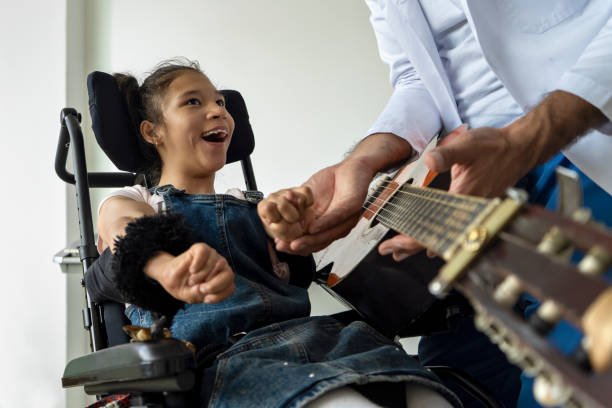
Music therapy emerges as a powerful tool, offering profound benefits in the realm of education, particularly when teaching children with neurodevelopmental challenges. Among these challenges, autism stands out, where conventional methods often fall short. Music, with its inherent non-verbal medium, becomes a bridge, enabling these children to communicate and connect with others in ways that traditional approaches might not. One of the key advantages of music therapy lies in its ability to foster social interaction. Group music activities provide a structured and supportive environment where children can develop and practice social skills. For children with neurodevelopmental challenges, socializing can be a daunting task, but music breaks down barriers, creating a shared experience that transcends verbal communication. Beyond the social realm, engaging in rhythmic activities and musical games contributes significantly to cognitive development. Attention span and concentration are honed through the rhythmic nature of musical engagement. For children facing neurodevelopmental challenges, this enhancement in cognitive abilities is not just advantageous but can be transformative, opening doors to improved learning experiences. The development of fine and gross motor skills is another area where music therapy shines. Whether it’s playing musical instruments or engaging in rhythmic movements, these activities promote the refinement of motor skills in a manner that is not only effective but also enjoyable. For children with neurodevelopmental challenges, this approach offers a more engaging alternative to traditional therapies. Moreover, music therapy has the capacity to stimulate various areas of the brain. This multi-faceted impact can potentially support cognitive functions such as memory, problem-solving, and spatial-temporal skills. The rhythmic and melodic elements of music engage the brain in ways that transcend the auditory experience, creating a holistic cognitive workout that proves invaluable for children grappling with neurodevelopmental challenges. An often underestimated aspect of music therapy is its potential to address speech and language goals. Tailored music therapy sessions can be designed to specifically target communication skills. Through the rhythmic patterns and melodic expressions inherent in music, children can develop and enhance their speech and language capabilities. For educators and therapists working with neurodevelopmental challenges, incorporating music therapy becomes a versatile tool in their arsenal. The impact of music therapy extends beyond the child to involve parents in the therapeutic process. Music therapy sessions that incorporate parents create unique opportunities for bonding and shared experiences. This integration of family into the therapy setting not only strengthens familial relationships but also provides a continuum of support that extends beyond the therapy sessions. Incorporating music therapy into teaching strategies for children with neurodevelopmental challenges can provide a holistic and engaging approach. Traditional teaching methods may struggle to address the diverse needs of these children, but music therapy, with its multifaceted benefits, offers a more comprehensive solution. The rhythmic and melodic elements of music become not just tools for communication and cognitive development but also pathways to unlocking the latent potential within each child. In conclusion, music therapy stands as a beacon of hope in the realm of education for children with neurodevelopmental challenges. Its unique ability to facilitate non-verbal communication, foster social interaction, enhance cognitive development, and refine motor skills makes it an indispensable tool for educators, therapists, and parents alike. As we delve deeper into understanding the complexities of neurodevelopmental challenges, music therapy emerges as not just a complementary approach but a transformative force, unlocking doors to a brighter and more inclusive future for these children.
The Transformative Power of DVM for Neurodevelopmental Challenges in Children

In the realm of special education and intervention for children with neurodevelopmental challenges, the utilization of innovative teaching techniques is pivotal. One such groundbreaking approach is Discrete Video Modeling (DVM), a method that intricately breaks down concepts into digestible segments. This article explores the effectiveness of DVM in forming new neural pathways in children with neurodevelopmental challenges, following research findings showing improvements in IQ levels of children with different types of neurodevelopmental challenges after five – weeks intervention using DVM. This article also delves into its strengths, and examines limitations, particularly concerning communication barriers and the need for culturally authentic content. Discrete Video Modeling: An Insight into the Methodology Discrete Video Modeling, a dynamic and adaptive teaching strategy, emerges as a beacon of hope for children with neurodevelopmental challenges. At its core, DVM dissects complex concepts into individual, easily understandable components. This approach employs repetition and harnesses the power of visual and auditory pairing, offering a multisensory learning experience. Effectiveness of DVM: Enhanced Comprehension: DVM’s segmentation of information aids in enhanced comprehension for children with neurodevelopmental challenges. Bite-sized, repetitive content allows for better retention and understanding, facilitating the formation of new neural connections. Multisensory Learning: The combination of visual and auditory elements in DVM caters to diverse learning styles. Multisensory experiences contribute to heightened engagement, making the learning process more effective Repetition as Reinforcement: Repetition is a cornerstone of DVM, reinforcing key concepts and promoting memory retention. This repetitive nature contributes to the establishment of robust neural pathways. Limitations of Discrete Video Modeling: Navigating Barriers While DVM stands as a transformative tool, it is essential to acknowledge its limitations, particularly when considering communication barriers and cultural nuances. Cultural Authenticity: Cultural Sensitivity: DVM content may not always align with the cultural background of the learners. Cultural disparities may lead to a lack of resonance, hindering the effectiveness of the modeling approach. Communication Barriers: Language Challenges: Commercially available DVM online learning tools employ video models who speak American English, using accents and intonation that is unfamiliar to local learning population. This poses as a communication barrier for the students. Addressing Limitations: Indigenous Video Content Development Cultural Inclusivity: Indigenous video content should be designed with cultural sensitivity, acknowledging and respecting diverse cultural perspectives. Inclusivity fosters a sense of belonging and ensures that neurodevelopmental interventions are culturally relevant. Community Collaboration: Collaborating with local communities is crucial in the development of indigenous video content. Engaging community members ensures authenticity, as local nuances and cultural intricacies are accurately represented. Language Adaptation: Adapting content to local languages addresses language-related barriers. Multilingual approaches accommodate diverse linguistic backgrounds, fostering a more inclusive learning environment. Customization for Learning Styles: Recognizing diverse learning styles within a community is essential for effective content development. Conclusion: Paving the Way Forward Discrete Video Modeling emerges as a powerful tool in the realm of neurodevelopmental interventions for children. Its effectiveness in forming new neural pathways is evident, particularly when tailored to individual needs. However, addressing communication barriers and cultural nuances is essential for maximizing its impact. The development of indigenous video content holds immense promise in mitigating these challenges. By incorporating local nuances, respecting cultural authenticity, and adapting to diverse learning styles, we can create a more inclusive and effective educational landscape. It is through these nuanced approaches that we pave the way forward, ensuring that neurodevelopmental interventions are not only evidence-based but also culturally resonant and accessible to all.
Securing Partnerships with Therapeutic Daycare Center
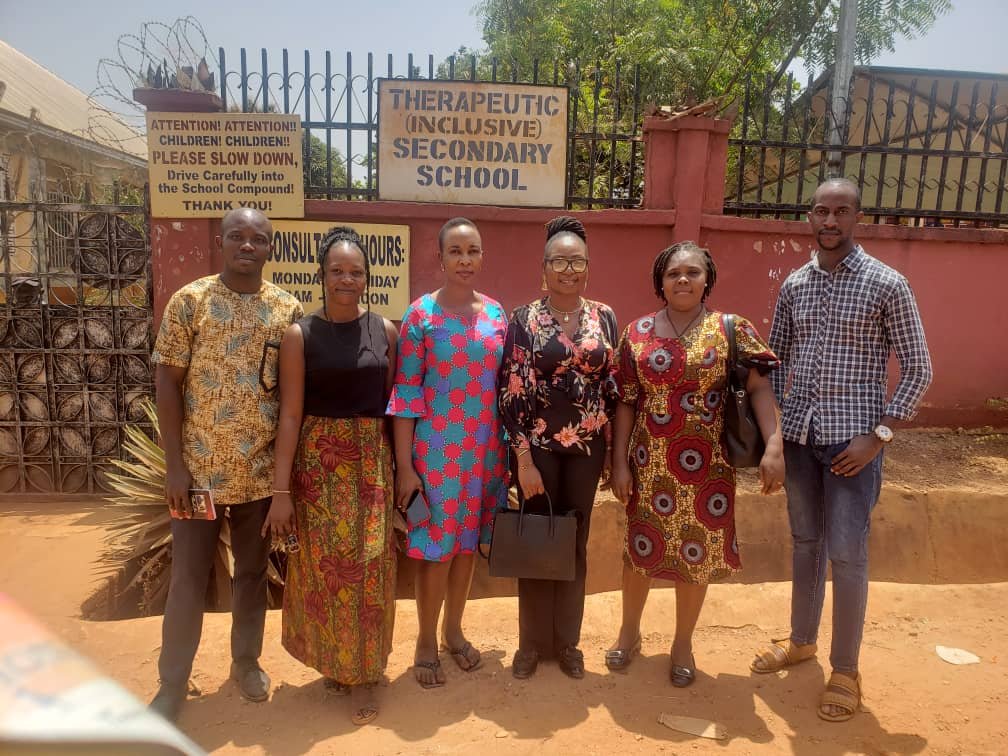
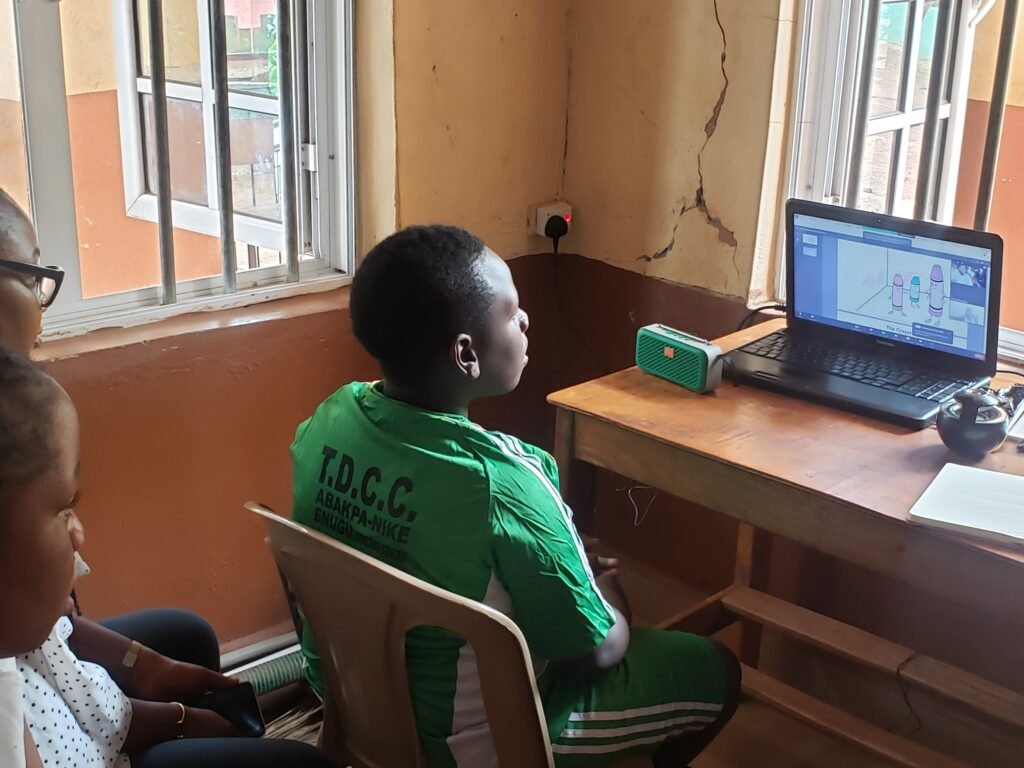
In February, 2022, Seizure Support foundation partnered with the Therapeutic Daycare Center in Abakpa Nike, Enugu to carry out the maiden edition of the Seizure Disorder and Learning Disability Project. The SDLD is a special education scholarship project, offering non – financial scholarships to seven children with special needs. Awardees were offered five weeks of learning using an online, evidence based pedagogy called Discrete Video Modeling. The pre – and post – test quasi experiment assessed improvements in students’ general IQ, phonemic awareness, listening, writing and simple arithmetic skills